

When to Unstep Your Mast: What to Check and How to Plan It
Some checks can be done from a bosun’s chair. Others are only done properly with the mast ashore, resting on trestles at eye level. Unstepping is one of those jobs many owners keep postponing, until a problem forces it in a hurry and in the middle of the season.
In this guide we look at when unstepping makes sense, what gets inspected with the mast down and how to plan it so your winter refit runs smoothly.

Rod vs Wire vs Composite Rigging: Choosing the Right Standing Rigging
Sooner or later, every owner and captain faces the re-rig question: stay with wire, move to rod, or go composite? There is no single right answer. Each material brings genuine advantages and trade-offs, and they are worth understanding before you ask for a quote.
In this guide we compare the main types of standing rigging from a rigger’s point of view: how they behave under sail, what maintenance they need, how long they last and which boats and programmes they suit best.
Professional Rigging Inspection: What Does It Cover?
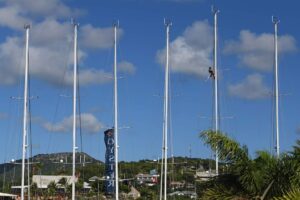
A professional rigging inspection goes beyond looking for obvious damage. Its purpose is to build a clearer picture of the rig’s condition, identify warning signs and establish whether maintenance, further investigation, repair or replacement should be considered.
New Workshop, New Improvements and Greater Service Capacity at The Rigging Point
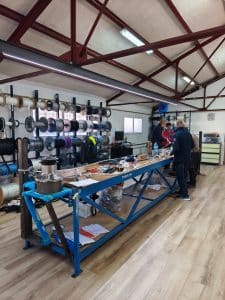
Tras la concesión de la ayuda gestionada por ISBA SGR, en The Rigging Point hemos impulsado la mejora de nuestro nuevo taller con nueva maquinaria, herramientas y acondicionamiento de las instalaciones para seguir ofreciendo un servicio más eficiente, profesional y cercano al sector náutico de Baleares.

How often should standing rigging be replaced?
The truth is that standing rigging has a limited lifespan, even on boats that are not heavily used. Wind loads, salt, vibration and constant tension slowly weaken the system over time.
In this article we explain how often standing rigging should be replaced, the warning signs to watch for, and the risks of postponing replacement for too long.

The Sound of the Mast: What Your Boat Tells You When You Speak Its Language
If you listen closely while sailing, you’ll realize that boats talk. Not with words, of course — but with sounds.
A faint hum in the wind, the metallic tapping of a loose fitting, the deep groan of the mast when the waves get rough. Many sailors ignore these noises, but each one carries a message. Some whisper peace, others warn of trouble. Truly listening to them can mean the difference between a smooth voyage and a stressful day at sea.